
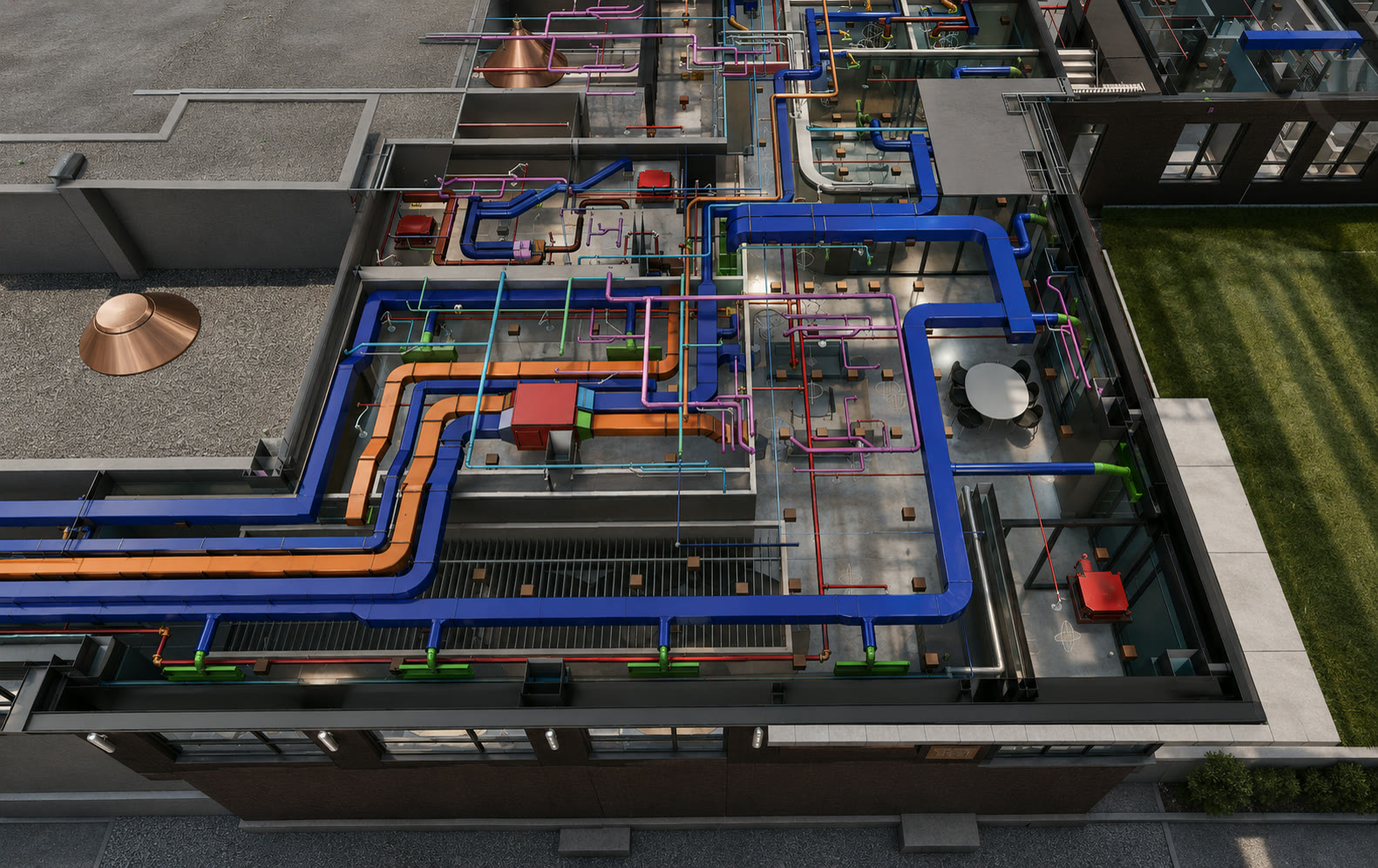
BIM Coordination & VDC Services
I'm a BIM coordination company of one, providing US-based coordination and VDC services for general contractors, developers, and subcontractors — live on active projects today. I've spent 10+ years in construction — 4 of them on-site, the rest in virtual design and construction (VDC) — on big-name projects, so when I coordinate your model, clashes get resolved the way they'd actually be built — not just the way they look in the software.
Need the model built from scratch, not coordinated? That's Architectural BIM Modeling Services.
Request an EstimateMEP Clash Detection
I run complete MEP clash detection across mechanical, electrical, plumbing, and fire protection systems — hard clashes and soft clashes — using Autodesk Navisworks against the architectural and structural models. Each clash cycle produces a prioritized clash report with clear ownership, so coordination meetings move and trades aren't waiting on answers. For the full clash detection process — triage, concrete-priority sequencing, and how sign-offs work — see BIM Clash Detection Services. Clash detection is one part of the MEP coordination services I run on every project — here's what's included, trade by trade.
Trade Sign-Offs
As each level reaches coordination, I issue formal trade sign-offs confirming every contractor has reviewed and accepted the coordinated model. But a sign-off isn't the finish line — it's the green light. Once a trade signs off, that's their cue to produce and submit shop drawings for engineer review. When those drawings come back approved, the foreman installs directly from shop drawings that reflect the coordinated model — so the coordination carries all the way to the field, not just the model.
RFI Management
RFI submission and logging is a priority, not an afterthought. I draft, submit, and track RFIs through resolution, keeping a current log so nothing stalls the coordination schedule waiting on a design answer.
Weekly Deliverables
Every week, your team receives:
Coordination meeting minutes
with clear action items per trade
Updated, archived models
posted for every trade to download and reference
Schedule updates (monthly)
tracking progress against projected sign-off dates
Coordination Reporting & Accountability
Coordination only works when everyone can see where it stands. Your models live in Autodesk Construction Cloud (ACC), so your whole team can open the model and the live clash and issue log in the browser — anytime, no Navisworks license required. After each meeting, I leverage AI to distill that live data and the meeting record into one detailed report, reviewed by me before it goes out.
AI-leveraged minutes & reports
I leverage AI to turn each meeting and the live clash data into detailed, consistent minutes and reports — fast, and reviewed by me before they go out. You get the speed of automation with the judgment of a coordinator who's been in the field.
Detailed deliverables
Not a status email — a complete, readable report of every conflict and its status, so any PM can see exactly where coordination stands at a glance, no modeling software required.
Hard deadlines
Your report lands on a firm schedule, every week. Coordination runs on a cadence you can plan around — deliverables don't slip, and nothing waits a week for a write-up.
Transparent performance
Every clash, its responsible trade and owner, and every overdue item is visible — and your team has live ACC access to the model and issue log between meetings. No black box, nothing hidden.
What's in your weekly report
- → Every clash, with its current status — open, in progress, or resolved
- → Overdue conflicts flagged for immediate attention
- → The responsible trade and owner for each open item
- → Action items from the coordination meeting, organized by trade
- → A running record you can hand to an owner, GC, or design team
It's the difference between hoping a clash gets resolved and knowing exactly who's on the hook for it.
My Process
-
1
Kickoff & BIM standards
we align on scope, model standards, clash matrix, and the coordination schedule.
-
2
Model aggregation & clash detection
trade models are federated in Navisworks and run through prioritized clash cycles.
-
3
Coordination & resolution
I run the meetings, assign ownership, track issues to closure, and manage RFIs.
-
4
Sign-off & delivery
level-by-level trade sign-offs that release each trade to shop drawings and installation, plus archived models and minutes that keep the record clean.
Coordinated Ahead of the Pour
The most important thing in BIM coordination isn't the clash report — it's the schedule. I set the coordination schedule early and work backward from the field's hard dates, so every area is signed off in time for the trades to build it. I don't chase the field. I stay ahead of it.
Concrete is unforgiving. If a pour is scheduled for August 4, that area has to be signed off at least six weeks prior — so every sleeve and block-out is coordinated and placed correctly the first time. Miss that window and you're into core-drilling, X-rays, and rework after the concrete is already down.
Work backward from the pour
I anchor the coordination schedule to the field's hard dates — concrete pours first — so sign-offs land before the deck goes down, not after.
Sleeves & block-outs placed right
When an area is coordinated and signed off ahead of the pour, every penetration is set in the model before the concrete is poured — no surprises in the field.
No core-drilling or rework
Staying ahead of the pour avoids cutting into finished concrete later — protecting the schedule, the budget, and the structure.
Software I Work In
-
 Revit
Revit -
 Navisworks
 -
 AutoCAD
— and I adapt to your project's platform and file-sharing workflow.
Why Build Virtual
A VDC manager, not a vendor.
10+ years in construction & VDC, including 4 on-site. That includes the tallest building in Austin at topping out and one of Nashville's largest projects.
A BIM coordination company of one.
You work directly with the coordinator running your model — no offshore handoffs, no account managers, no telephone game. One person, US-based, accountable for every clash.
Live, current work.
BIM coordination is a current service — running today on active project engagements, not a someday offering.
$1.2B+ in construction value
across coordinated and visualized projects.
If your longer-term plan is building an in-house BIM team of your own, I help with that too — see BIM Consulting & Team Development.
BIM Coordination Projects
A sample of the work I've coordinated across markets — including BIM Coordination in Texas and BIM Coordination in Chicago:
Markets served
- Residential
- Healthcare
- Sports
- Education
- Data Centers
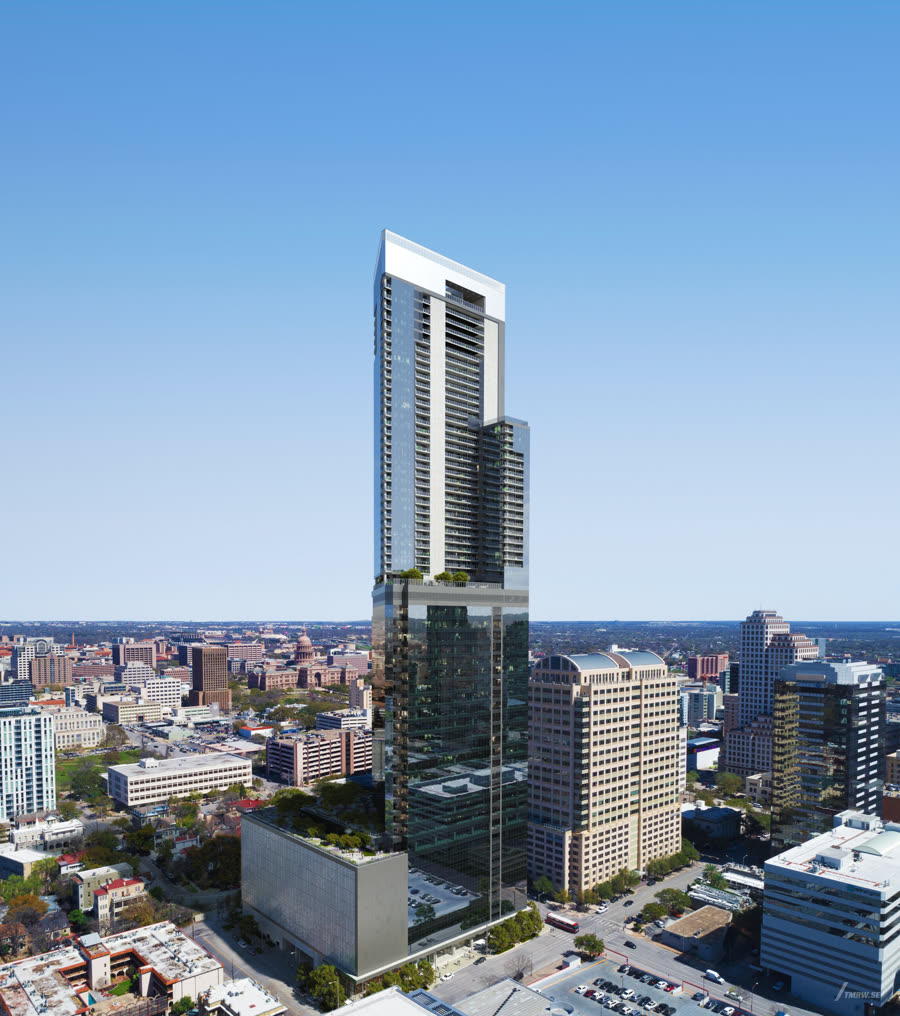
600 Guadalupe
$325M
Mixed-Use
Austin, TX
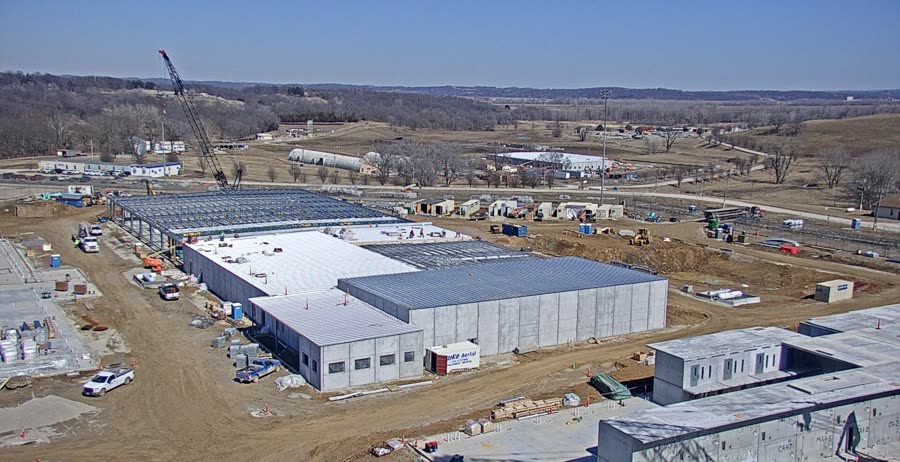
Lansing Correctional Facility
$140M
Justice / Civic
Lansing, KS
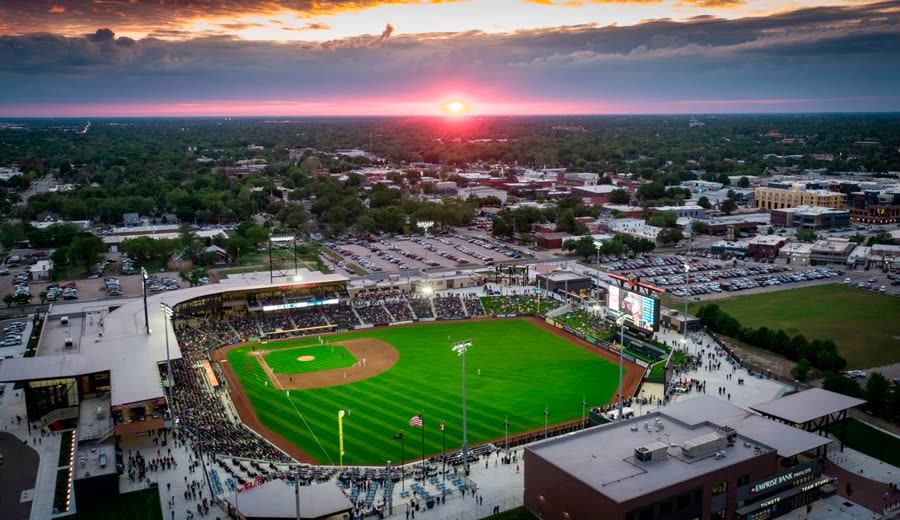
Wichita Minor League Stadium
$81M
Sports
Wichita, KS
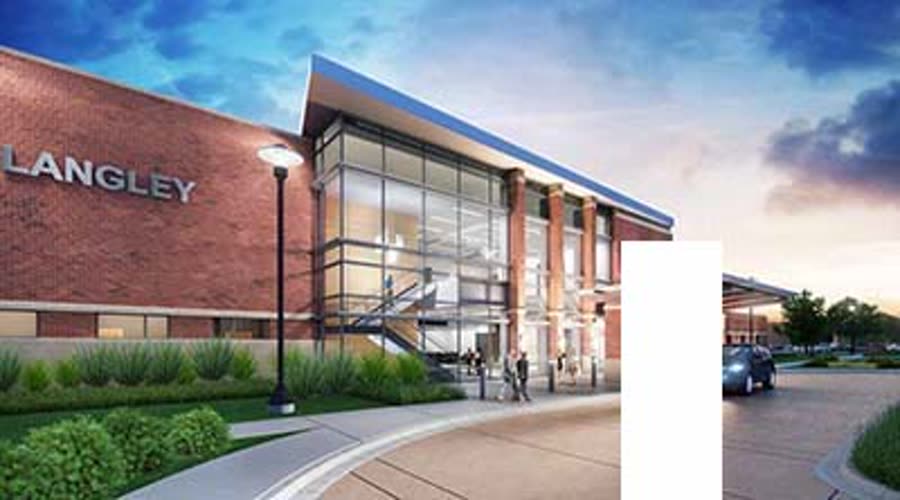
Langley AFB Hospital Addition & CUP
$52M
Healthcare
Hampton, VA
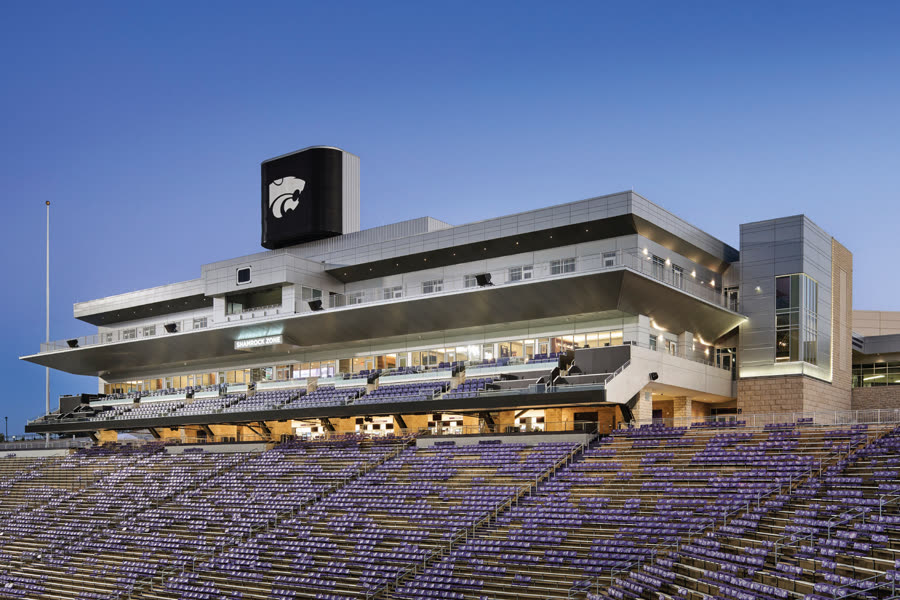
Kansas State South End Zone
$42M
Sports
Manhattan, KS
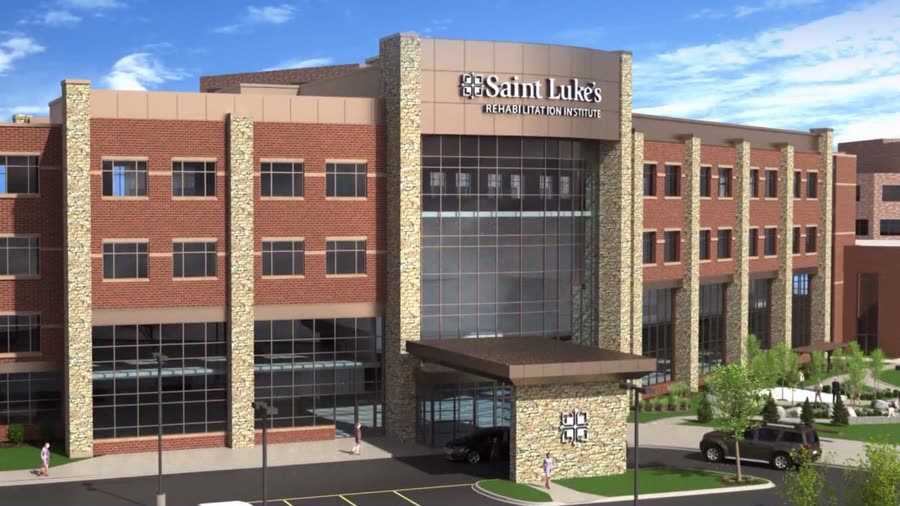
Saint Luke's South Rehab
$40M
Healthcare
Overland Park, KS
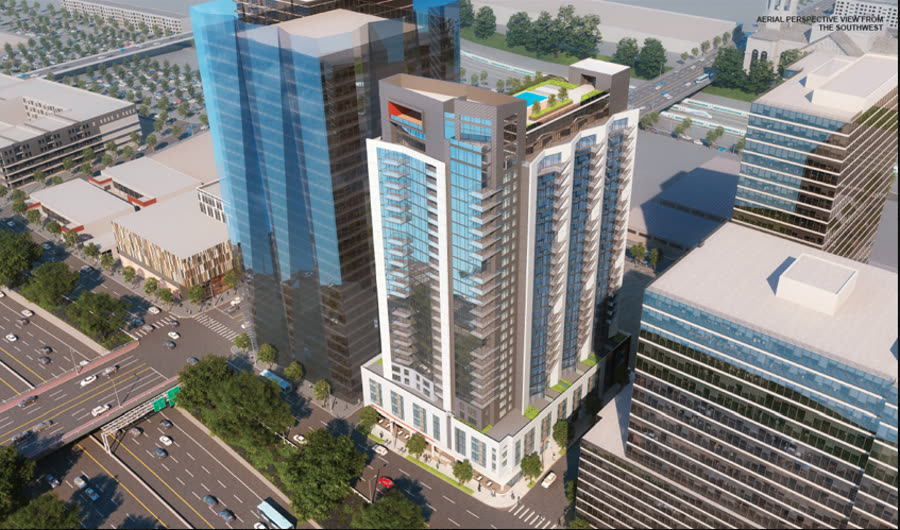
29-Story Residential High-Rise
Residential
Nashville, TN
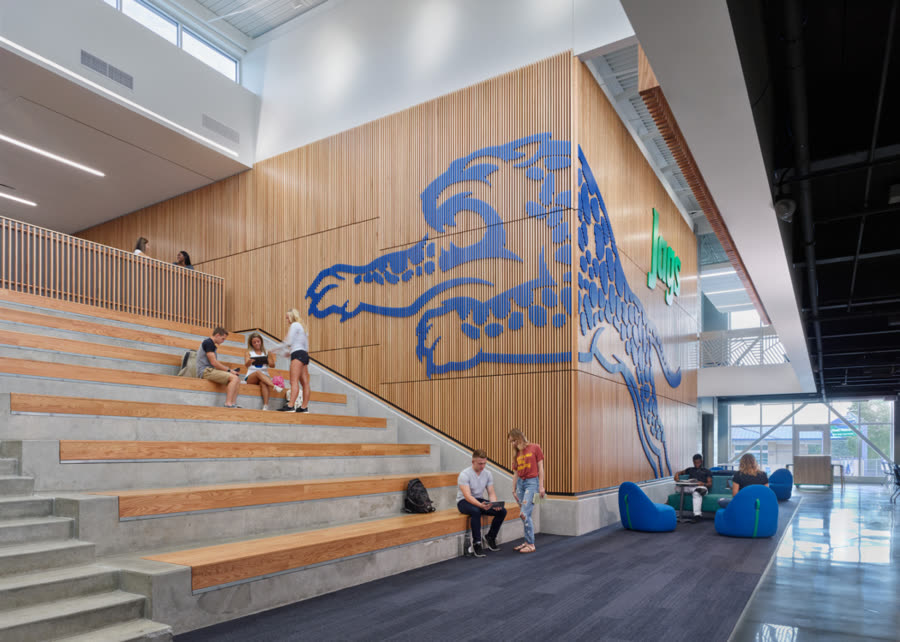
Blue Springs South High School
Education
Blue Springs, MO
Frequently Asked Questions
What does a BIM coordinator actually do?
I provide full MEP coordination services: federating the design and trade models, detecting and managing clashes, running coordination meetings, managing RFIs, and driving each level to trade sign-off — so MEP systems install without conflicts in the field. That includes coordinating the concrete — making sure every sleeve is coordinated and exactly where it should be before the pour — which avoids costly mistakes in the field and last-minute scrambling.
What should I look for in a BIM coordination company?
The biggest signal isn't the price on page one — it's who's actually running your meetings and whether you can see the model yourself. Look for a defined weekly deliverable set (minutes, an archived model, a schedule update), a named coordinator who stays on your project month to month, and direct access to the live model and issue log instead of waiting on a status email. I go deeper on the full checklist — meeting counts, extension fees, and the rest — in a post called BIM Coordination Proposal Red Flags.
What's the difference between hard and soft clashes?
A hard clash is two elements occupying the same space — a duct through a beam. A soft clash is a clearance violation — insufficient access or code-required space around an element. I detect and manage both.
What software do you use for clash detection?
Autodesk Navisworks for clash detection and model federation, with Revit and AutoCAD for modeling and drawing workflows.
Do you work with our existing coordination process?
Yes. I can run your coordination program end to end or plug into your existing meetings, standards, and platforms.
How do weekly deliverables work?
Minutes are posted after every coordination meeting with action items by trade. Updated models are archived and posted weekly. Schedule updates are issued monthly against projected sign-off dates.
Let's Talk About Your Project
Limited BIM Coordination Capacity
I take on a limited number of coordination engagements at a time, so every project gets my full attention. Capacity for upcoming work fills up — if you have a project on the horizon, let's talk early.
Please take a moment to fill out the form — you'll hear back from me directly within one business day.